
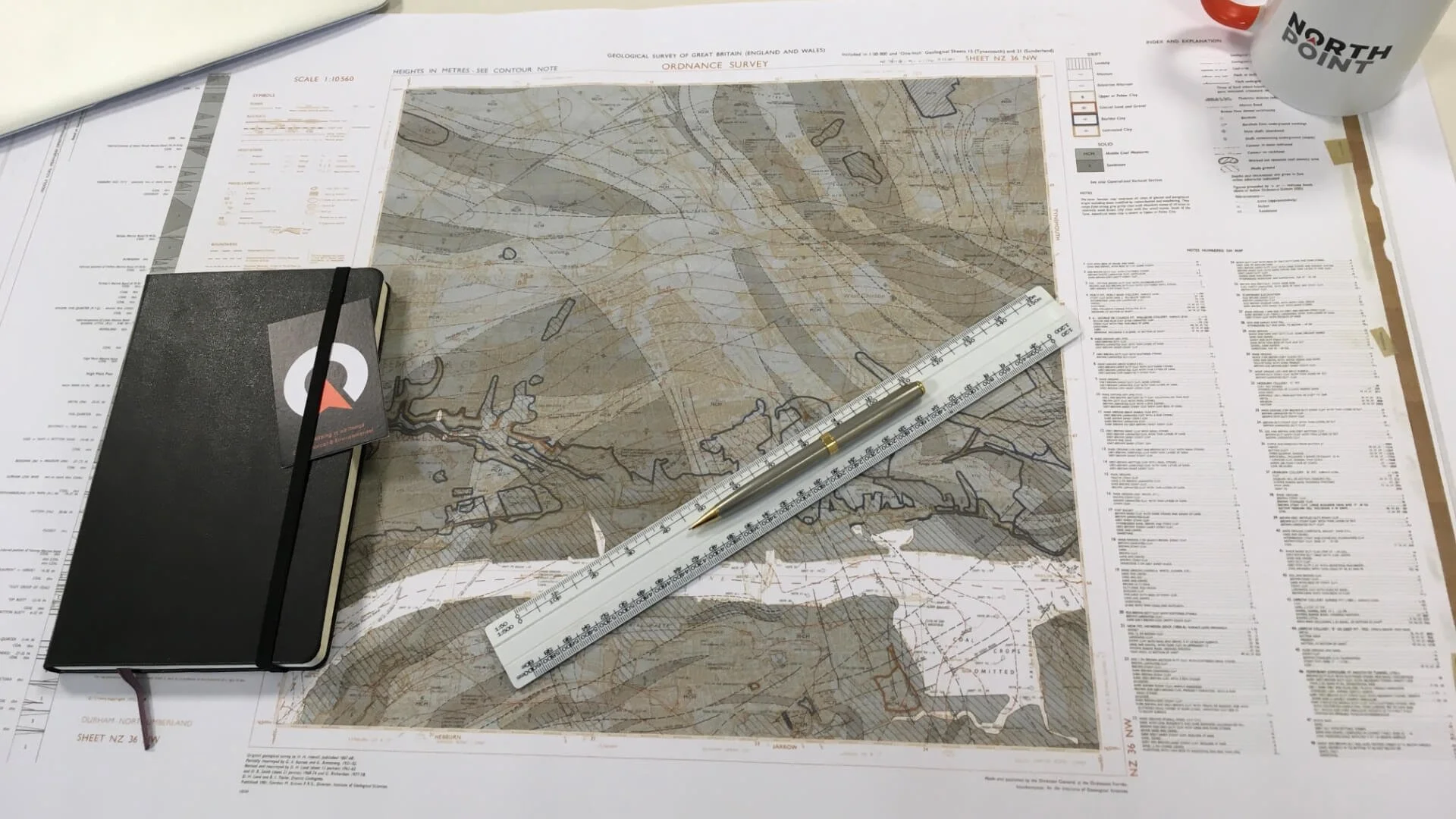
Desk-Based Geotechnical and Land Contamination Assessment for Planning and Development
Northpoint provides independent Phase 1 Desk Studies and Preliminary Risk Assessments to support planning applications, land acquisition and early-stage development decisions across England, Scotland and Wales.
Our geotechnical and geoenvironmental engineers combine historical research, geological and environmental information, and a site walkover to identify potential ground constraints and land contamination risks.
Your report explains what the available evidence indicates, where uncertainty remains and whether further investigation is needed. We provide clear, proportionate recommendations to help your project team make informed decisions about planning, design and the next stage of assessment.

What our Phase 1 Desk Study Service Includes
Every Northpoint Phase 1 Desk Study (Preliminary Risk Assessment) is prepared by experienced Geotechnical and Geoenvironmental Engineers. Each report is site-specific to your land and development proposals, with the following assessments tailored to the site’s setting and potential risks:
-
Historical Land Use Analysis:
Review of historic maps, aerial imagery and planning records to identify former land uses, infilled ground and industrial activity that may indicate land contamination or ground stability risks, including potential sources such as landfills, waste deposits and fuel storage on or near the site.
-
Geological & Environmental Assessments:
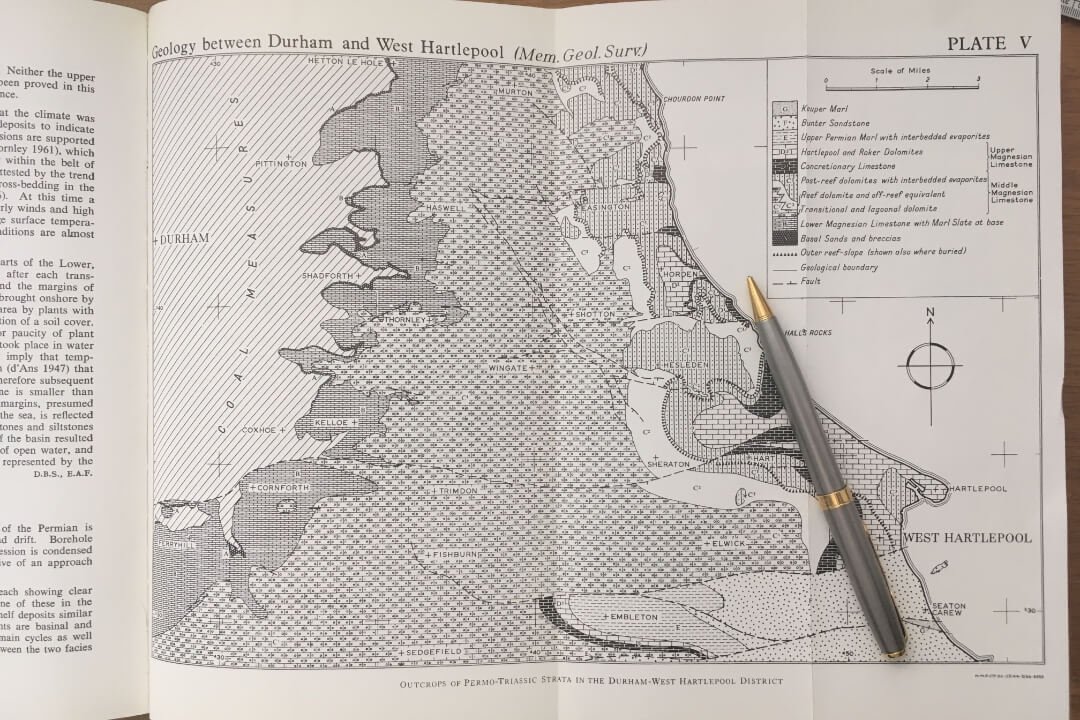
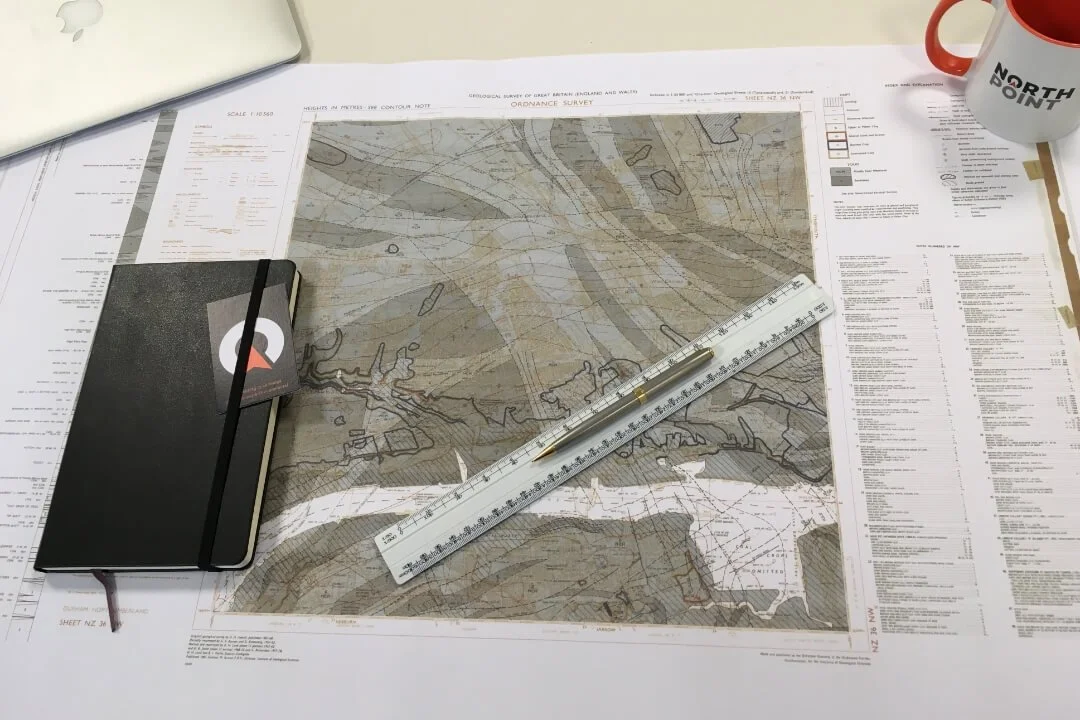
Evaluation of geological conditions, mining legacy, ground stability, hydrogeology and flood risk using British Geological Survey and other authoritative datasets. Relevant checks include radon potential, surface waters, groundwater sensitivity, water abstractions and groundwater source protection zones.
-
Regulatory & Planning Checks:
Review of environmental records, contaminated land registers, planning history and relevant Mining Remediation Authority (formerly The Coal Authority) data. Recorded pollution incidents, environmental permits and discharge consents are considered where relevant to planning and regulatory requirements.
-
Site Walkover Survey:
Photographed on-site inspection to check desk-based findings, observe visible hazards and site condition indicators, and confirm assumptions in accordance with BS 10175. Observations include topography, drainage, visible tanks and service infrastructure, with access restrictions and limitations recorded.
-
Preliminary Geotechnical Assessment:
Early identification of potential ground stability constraints, foundation considerations, groundwater influence and other engineering risks affecting feasibility and design. Available evidence is also reviewed for service constraints and potential unexploded ordnance (UXO) risks requiring further assessment.
-
Conceptual Site Model (CSM):
Development of a Source–Pathway–Receptor model defining potential contaminant linkages and uncertainties. This explains where contamination could originate, how it could move, and the people, buildings, water environment or sensitive ecological receptors it could affect.
-
Preliminary Geoenvironmental & Land Contamination Assessment:
Assessment of potential land contamination risks to human health, buildings and the water environment, including ground gas and vapours. This Phase 1 contaminated land assessment follows the LCRM Tier 1 Preliminary Risk Assessment approach, identifying uncertainties and whether further Phase 2 Site Investigation – Ground Investigation is required.


When Do You Need a Phase 1 Desk Study?
A Phase 1 Desk Study helps you understand how potential ground and contamination risks could affect acquisition, development costs, design and programme.
-
Planning applications
Identify potential ground constraints and land contamination risks early, helping your team plan the evidence needed for an application and allow for further assessment within the programme.
-
Land and property acquisition
Inform technical due diligence before committing to a purchase, highlighting potential ground-related liabilities and issues requiring further investigation.
-
Feasibility and early design
Identify constraints that may influence layout, foundation options and abnormal development costs, helping your team prioritise uncertainties before progressing design.
-
Funding and insurance requirements
Provide an assessment where a funder, lender or insurer requests information on potential ground or land contamination risks.
-
Before a ground investigation
Prioritise unresolved risks and target further investigation, helping your team agree a proportionate Phase 2 scope and coordinate it with the development programme.

How Your Phase 1 Desk Study Works
Northpoint prepares each Phase 1 Desk Study and Preliminary Risk Assessment around your site, proposed development and project requirements. Our engineers bring research, site observations and engineering interpretation together in four stages.
-
Stage 1: Establish the project requirements
We review your site boundary, development proposals, previous reports and relevant planning conditions or consultation responses. We agree the assessment scope, programme and reporting requirements with your project team, taking account of the site’s complexity, proposed use and any phased development plans.
-
Stage 2: Research and assess the available information
Our engineers obtain and review the relevant historical, geological and environmental information alongside existing site investigation records and other project documents. We assess the reliability and relevance of the evidence, identify gaps or conflicting information and undertake appropriate enquiries with relevant authorities.
-
Stage 3: Complete the site walkover survey
We inspect the site to check desk-based assumptions against observable conditions, record relevant features and identify issues requiring further consideration. The photographed site walkover survey also records access restrictions and other limitations that may affect the assessment.
-
Stage 4: Interpret the findings and prepare your report
Our geotechnical and geoenvironmental engineers assess the combined evidence against the proposed development. We distinguish factual information from engineering interpretation, evaluate potential risks and explain their implications for the project. Your report is technically reviewed before issue, with clear conclusions and recommendations.

Why Choose Northpoint for Your Desk Study?
-
Independent specialist expertise: Experienced geotechnical and geoenvironmental engineers provide independent technical advice from the initial appraisal through to your completed report.
-
Standards-led reporting: Geoenvironmental reporting follows EA LCRM and BS 10175, with geotechnical appraisal informed by BS 5930 and Eurocode 7.
-
Nationwide coverage with local insight: We support projects across the UK, combining national datasets with regional ground knowledge and regulator liaison.
-
Clear advice for your project team: Practical conclusions and recommendations explain the implications for planning, acquisition and early-stage design.
-
Proportionate recommendations: We recommend further investigation where ground risks or uncertainties justify it, with a clearly defined scope and transparent pricing.
-
Direct access and agreed programmes: A single point of contact and agreed timescales keep communication clear from instruction to report delivery.
-
Support through later project stages: Our team can take your project from the desk study into ground investigation, geotechnical design, remediation and verification.
-
Experience across complex projects: Our experience spans complex brownfield, infrastructure and residential projects, helping us assess ground risks in the context of your wider development.
Desk Study Project Experience
Examples of how Northpoint uses desk-based research to identify potential ground risks and inform subsequent investigation.
-
Gresham Development, Middlesbrough
Historical mapping, environmental records and a site walkover informed targeted Phase 2 investigation for a proposed 179-home redevelopment, helping the project team investigate potential ground and contamination risks across the brownfield site.
View case study -
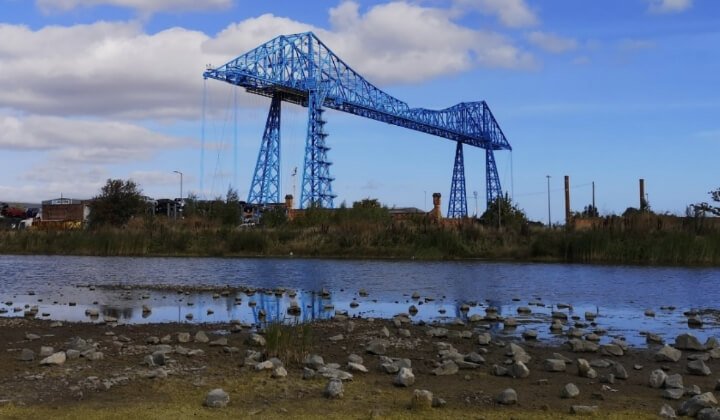
Outwood Academy, Middlehaven
A desk study, historical land-use review and reconnaissance survey identified potential hazards on former industrial land, informing the wider ground investigation for a new school within Middlesbrough’s Middlehaven regeneration area.
View case study -
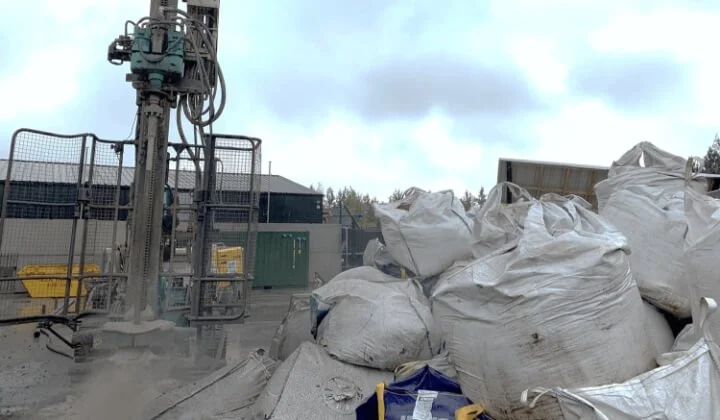
Leadgate, Consett
Historical maps, geological records and mine abandonment plans informed a specialist mining-risk assessment and targeted investigation of shallow coal and ironstone workings for a proposed commercial workshop extension.
View case study
Phase 1 Desk Study FAQs
What is a Phase 1 Desk Study and Preliminary Risk Assessment?
A Phase 1 Desk Study, also known as a Phase 1 Desktop Study, is a non-intrusive assessment of a site’s history, ground conditions and environmental setting, supported by a site walkover. It identifies potential constraints before land acquisition, planning or development. The service is also commonly described as a Phase 1 Site Investigation.
The land contamination element is a Tier 1 Preliminary Risk Assessment under Land Contamination Risk Management (LCRM), also referred to as a Phase 1 contaminated land assessment. It includes an initial Conceptual Site Model.
What is the difference between a Phase 1 Desk Study and a Phase 2 Ground Investigation?
Phase 1 reviews existing information and site observations to identify potential risks and gaps in the evidence. Phase 2 gathers new information through targeted intrusive investigation, which may include boreholes, trial pits, soil testing, and gas or groundwater monitoring. The Phase 1 findings help define the scope of any subsequent investigation.
Find out more about our Phase 2 Ground Investigation service.
When is a Phase 2 Ground Investigation needed?
Further investigation may be needed where Phase 1 identifies potential contamination linkages, unresolved geotechnical risks or insufficient information to assess the proposed development reliably. It can also be needed to obtain ground parameters for design. Northpoint explains which uncertainties need resolving and recommends a proportionate scope, methodology and programme.
Do I need a Phase 1 Desk Study for planning, including on a greenfield site?
A desk study may be required where a site’s history, surrounding land uses or proposed development raise concerns about contamination or ground conditions. Greenfield land can still have constraints associated with former uses, infilled ground, mining or nearby activities. Requirements depend on the site, development proposals and local planning authority. Completing the assessment early helps inform the application and subsequent work.
Does the assessment cover geotechnical risks as well as land contamination?
Yes. Northpoint considers potential engineering constraints alongside geoenvironmental risks. These can include variable or made ground, ground stability, mining legacy and groundwater conditions, together with potential contamination, ground gas and vapour risks. The report identifies preliminary implications for development and foundations; detailed design is informed by further ground investigation where required.
Does a Phase 1 Desk Study include a site visit or soil testing?
Northpoint includes a photographed site walkover to check the desk-based findings against observable conditions and record relevant features, access restrictions and limitations. Routine drilling, trial pits, soil sampling and laboratory testing are not included in the desk study itself. Where needed, these are scoped separately as part of further investigation.
What will I receive in my Phase 1 Desk Study Report?
You receive a site-specific PDF report with an executive summary, walkover findings, relevant plans, photographs and supporting records. It sets out the preliminary ground model and Conceptual Site Model, explains potential geotechnical and land contamination risks, uncertainties, limitations and development implications, and provides clear conclusions and recommendations for further work.
Geoenvironmental reporting follows LCRM and BS 10175, with geotechnical appraisal informed by BS 5930 and Eurocode 7. The assessment takes account of the planning and regulatory context in the relevant UK nation.
Will the report secure planning approval or satisfy a lender’s requirements?
The report provides technical evidence to support a planning application, condition submission or lender’s review. We agree the intended purpose and review relevant requirements at instruction. Acceptance depends on the findings and the reviewing authority or organisation; further investigation or assessment may be required. A Phase 1 report does not, by itself, guarantee planning approval or discharge every ground-related condition.
How long does a Phase 1 Desk Study take?
Our typical turnaround is around two weeks from instruction. The programme depends on the site’s complexity, availability of records and access for the walkover. We confirm the scope, information needed and delivery date before starting, so the assessment can be coordinated with your planning or development programme.
What information do you need to prepare a quotation and begin the assessment?
Please provide the site address and red-line boundary, proposed development or intended use, and any relevant planning conditions or consultation responses. Existing desk studies, ground investigation reports and site plans are also useful. We will confirm any additional information needed and arrange access for the walkover with your nominated site contact.
How much does a Phase 1 Desk Study cost?
The fee depends on the site’s size, complexity, information requirements and reporting scope. Once we have your site boundary and development proposals, Northpoint provides a fixed quotation with a clearly defined scope. Any additional investigations or specialist assessments are identified and agreed separately.
Can an existing Phase 1 Desk Study be used for a new proposal?
An existing report may provide useful evidence, but its suitability depends on its scope, date, information sources, site changes and relevance to the current proposals. We can review previous reports, identify gaps and advise whether an update or new assessment is needed. The intended recipient’s requirements and arrangements for relying on the report also need to be considered.
Phase 1 Desk Study Guides
Practical guidance on desk study reports, site walkover surveys and geological assessments to help you understand the evidence behind a Phase 1 assessment.
-

What Is Involved with a Desk Study Report?
Understand what a desk study report includes and how the findings support planning and the scope of further investigation.
-
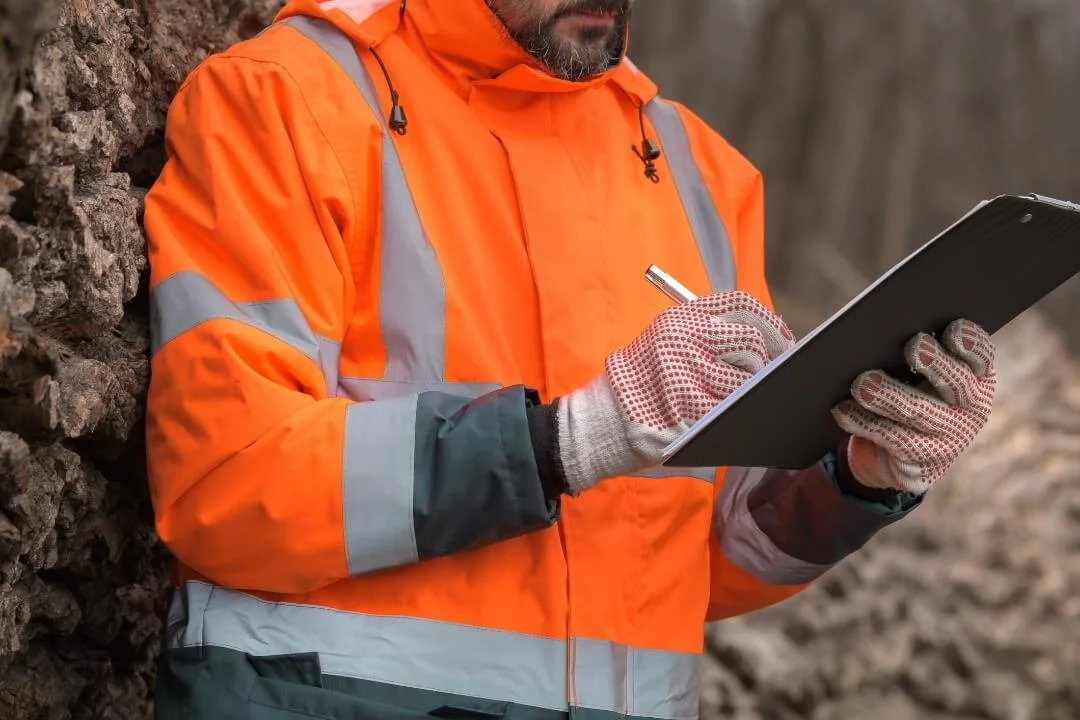
Site Walkover Survey: What It Is, What to Record, and Why It Matters
Learn what engineers record during a site walkover and how those observations inform the Preliminary Risk Assessment.
-
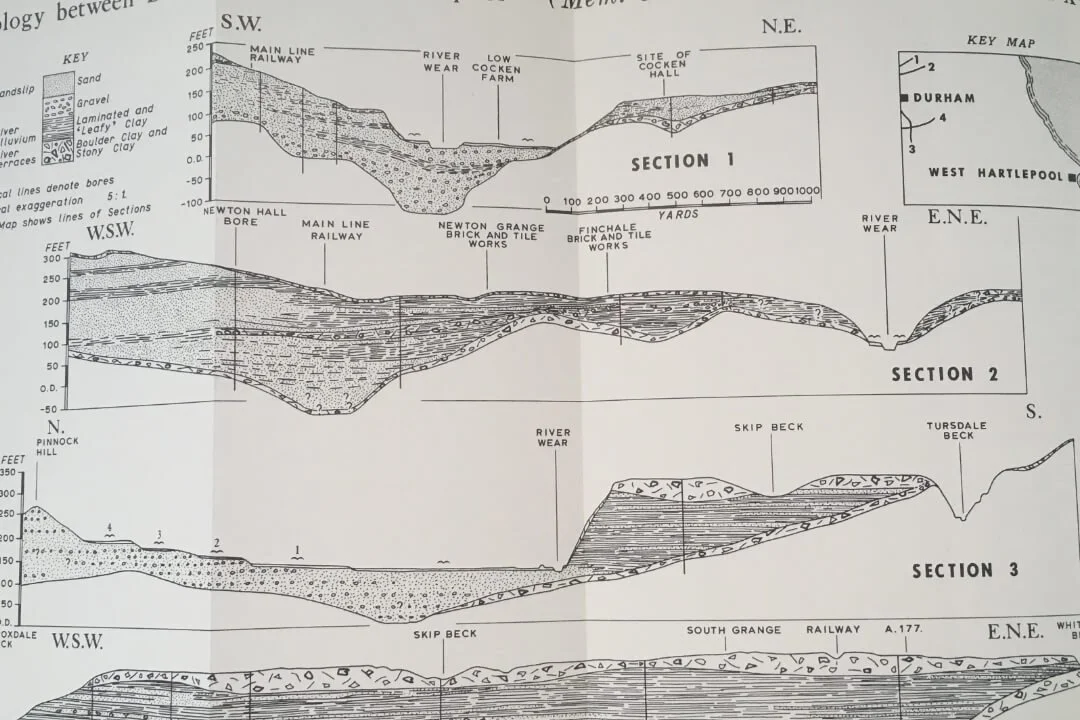
The Importance of a Geological Assessment
See how geological maps, historical records and mining information help identify potential ground constraints before development.