
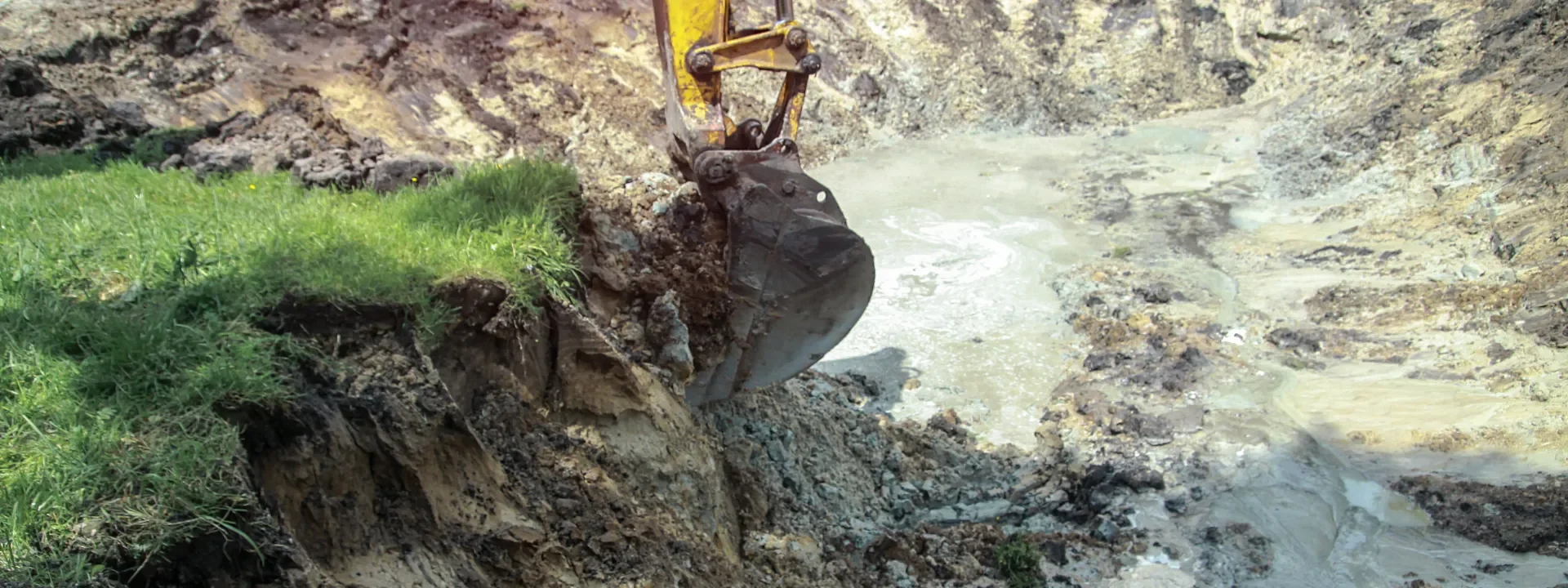
Remediation Strategy and Validation for Planning and Development
Northpoint provides independent contaminated land remediation consultancy for developers, landowners, contractors and project teams across England, Scotland and Wales. We develop practical remediation strategies and provide design, site supervision and verification to manage contamination risks and support redevelopment.
Building on the findings of a Phase 1 Desk Study and Phase 2 Ground Investigation, our geotechnical and geoenvironmental engineers develop site-specific solutions for soil, groundwater, ground gas and vapour risks. We consider your development proposals, planning requirements, site constraints, programme and opportunities for materials reuse.
Your remediation strategy defines the objectives, required works and verification evidence. Inspections, testing and monitoring inform a Verification Report, also referred to as a Validation Report, recording the completed works and assessing the evidence against the agreed remediation criteria.
What Our Remediation and Verification Service Includes
Northpoint’s remediation and verification services are tailored to your site, development proposals and identified contamination risks. Our experienced geotechnical and geoenvironmental engineers provide the following, as required by the agreed scope:
-
Remediation Options Appraisal
We assess source removal, pathway interruption and receptor protection, comparing feasible remediation options for effectiveness, proportionality, sustainability and practicality. The appraisal considers soil and groundwater risks, site constraints, development requirements, cost and programme.
-
Remediation Strategy and Design
We develop a practical remediation strategy, method statement and specification. Measures may include excavation and off-site disposal, in-situ or ex-situ treatment, stabilisation, clean cover systems and groundwater protection. A verification plan defines the inspections, testing and acceptance criteria before works begin.
-
Site Supervision and Monitoring
We supervise remedial works and coordinate with contractors to check implementation against the agreed strategy. Site inspections, sampling and monitoring track progress, identify unexpected contamination and inform corrective action, with regulator liaison and ongoing monitoring where required.
-
Materials Management and Soil Reuse
We assess soil suitability for reuse, undertake waste classification and prepare Materials Management Plans where appropriate. Segregation, material movements and import/export records support traceability, reduce avoidable disposal and help coordinate remediation with the earthworks programme.
-
Ground Gas and Vapour Protection Verification
We specify and independently verify ground gas and vapour protection measures. Inspections, integrity testing where appropriate and installation records assess membranes, ventilation and associated detailing against the agreed design, documenting defects and the evidence of corrective work.
-
Verification Testing and Reporting
We verify excavation and clean cover systems through inspections, sampling and laboratory testing. Photographs, test results and materials records inform a Verification Report, also called a Validation Report, assessing whether the agreed remediation criteria have been met and identifying any remaining limitations or monitoring requirements.


When Do You Need Remediation or Verification?
Remediation and verification requirements depend on the risks identified, your development proposals and any planning or regulatory conditions. Northpoint can review existing investigation reports and remediation strategies, including those prepared by other consultants, to establish the next steps.
-
Contamination risks identified by investigation
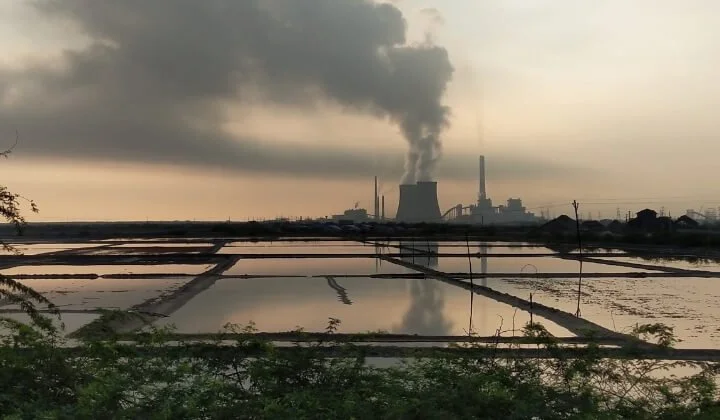
When a site investigation identifies unacceptable pollutant linkages that could harm people, buildings, groundwater or the wider environment, a remediation strategy sets out how those risks will be managed.
-
Contaminated land planning conditions
Where a planning condition requires a remediation strategy or Verification Report, agree the works, evidence and submission requirements early to support discharge of the condition at the appropriate project stage.
-
Brownfield redevelopment or a change of use
A change in site layout, land use or ground conditions can alter contamination risks. Review whether previous assessments and remediation remain suitable for the proposed residential, commercial or infrastructure development.
-
Unexpected contamination during works
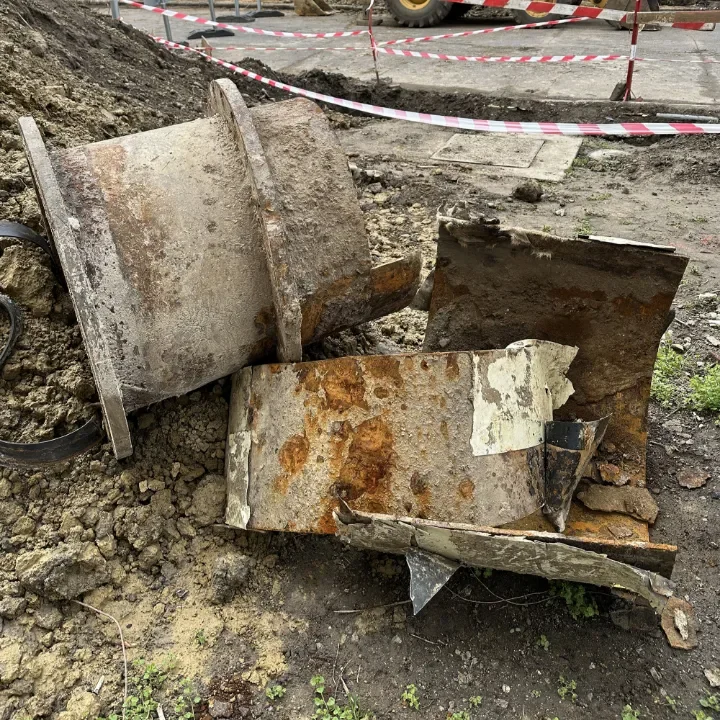
If excavation reveals previously unidentified contamination, buried tanks or suspect materials, Northpoint can assess the findings and advise on any additional investigation, remediation and verification needed.
-
Clean cover, gas and vapour protection
Where clean cover systems, gas membranes, ventilation or vapour protection are specified, arrange verification before installation starts so inspections and testing can be completed before critical details are covered.

How the Remediation Process Works
Northpoint coordinates remediation design, site supervision and verification around your development proposals, planning requirements and construction programme. Our engineers work with your project team and contractors through four stages.
-
Stage 1: Review evidence and appraise options
We review existing investigation reports, risk assessments, planning conditions and development proposals. We identify information gaps and compare feasible remediation options for effectiveness, sustainability, cost and programme, agreeing the objectives and preferred approach with your project team.
-
Stage 2: Develop the remediation strategy
We prepare the remediation strategy, method statement and specification, setting out the works, responsibilities and any required regulatory approvals. The verification plan defines the inspections, sampling, testing and acceptance criteria before implementation, so evidence collection is built into the construction programme.
-
Stage 3: Oversee works and collect evidence
We supervise remedial works, coordinate with contractors and record progress against the agreed strategy. Site inspections, photographs, sampling and testing provide verification evidence, with unexpected contamination, design changes and corrective actions assessed and documented as the works proceed.
-
Stage 4: Evaluate the evidence and report
We assess the completed works and supporting evidence against the agreed remediation criteria. Your Verification Report, also called a Validation Report, records the outcomes, deviations and any remaining uncertainties, supporting regulatory review and discharge of relevant planning conditions. We specify further monitoring or maintenance where required.
Remediation Strategies and Verification Reports
Your documents explain the chosen remediation approach, the requirements for the works and the evidence of completion. Reporting follows Land Contamination Risk Management (LCRM), with outputs tailored to the agreed scope and issued at the relevant project stages, including phased reporting where required.
-
Remediation options appraisal: The site-specific objectives, relevant pollutant linkages, options considered and reasons for selecting the preferred solution, including effectiveness, sustainability, practicality and implications for cost and programme.
-
Remediation strategy and verification plan: A buildable method statement and specification, with relevant drawings, responsibilities and sequencing. The verification plan defines the inspections, sampling, testing, documentation and acceptance criteria needed to assess the completed works.
-
Verification evidence and traceability: Inspection records, photographs, laboratory results and materials traceability, including waste transfer documentation, clean cover measurements and gas or vapour protection installation checks where relevant. Design changes, unexpected findings and corrective actions are documented.
-
Verification Report (Validation Report): An assessment of whether the agreed remediation criteria have been met, with an updated Conceptual Site Model and clear conclusions. Deviations, limitations and remaining uncertainties are recorded, alongside any further verification, monitoring, maintenance or restrictions on future site use.

Why Choose Northpoint for Remediation & Verification?
-
Independent specialist expertise
Independent advice from geotechnical and geoenvironmental engineers with extensive experience delivering complex land remediation projects across brownfield, contaminated and high-risk sites.
-
Practical, buildable remediation design
Site-specific solutions balance contamination risks, engineering requirements and development proposals, giving your contractors clear specifications that can be implemented and verified.
-
End-to-end project support
We manage the contaminated land process from Phase 1 Desk Study and Phase 2 Ground Investigation through remediation strategy, site supervision and verification, coordinating with your project team.
-
Planning and regulator liaison
We align reporting with LCRM and relevant national guidance, liaising with local planning authorities, environmental regulators and warranty providers to clarify requirements and support submissions.
-
Clear evidence and reporting
Transparent documentation connects the Remediation Strategy with the Verification Report, making the completed works, supporting evidence, conclusions and any remaining requirements clear.
-
Cost and programme focus
Defined scopes, transparent costs and agreed programmes help your team plan ahead. We assess remediation options against site constraints, materials reuse opportunities and construction sequencing.
Contaminated Land Project Experience
Examples of Northpoint’s contaminated land assessment work, providing evidence to inform remediation requirements, materials management and development decisions across brownfield sites.
-
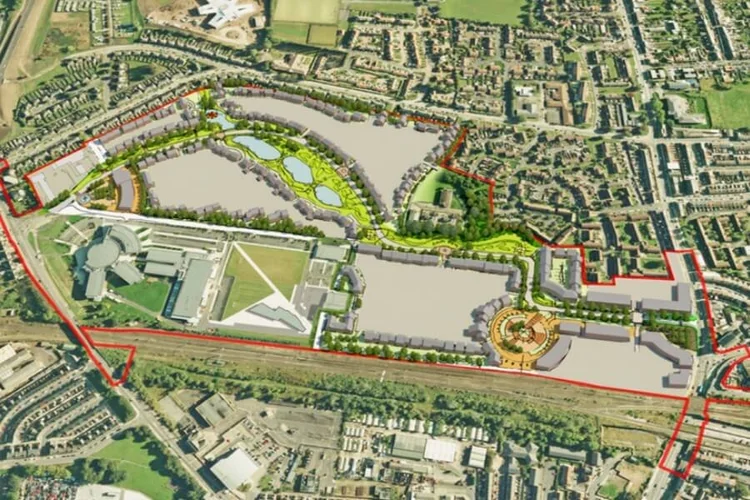
Central Park, Darlington
Investigation of former railway land defined the extent of two contamination hotspots and informed the management of excavated soils. A geoenvironmental watching brief was recommended for unexpected materials during subsequent earthworks.
View case study -
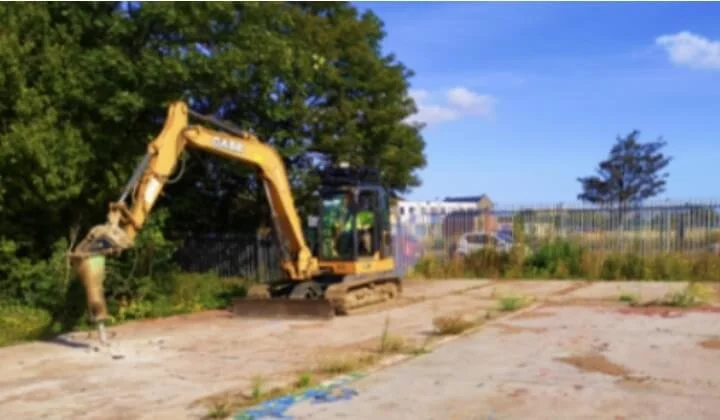
Outwood Academy, Middlehaven
Historic iron and steel works and gasworks created potential contamination risks for a new school. Soil and groundwater assessment characterised those risks, providing evidence to inform remediation requirements and development decisions.
View case study -
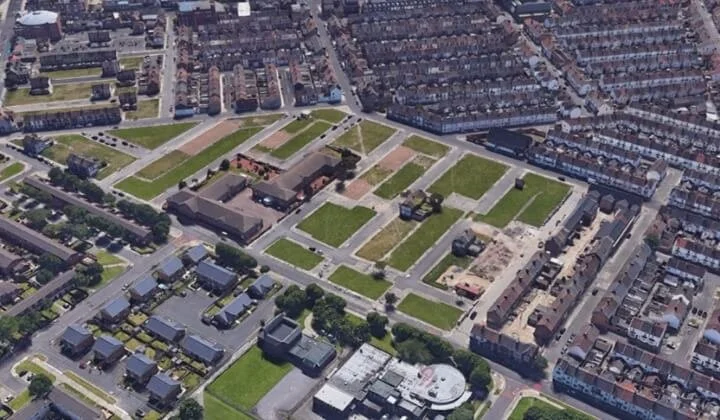
Gresham Development, Middlesbrough
A proposed 179-home redevelopment involved demolition materials and potential contamination. Geoenvironmental assessment found no unacceptable risks from the shallow materials assessed, providing a documented basis for the client’s design and planning decisions.
View case study
Remediation & Verification FAQs
What is land remediation?
Land remediation is the process of removing, treating or managing contamination to break pollutant linkages and make a site safe, suitable for use and compliant with environmental and planning requirements.
When is remediation required?
Remediation is required when a site investigation identifies unacceptable pollutant linkages, meaning contamination risks that could harm people, buildings, groundwater or the wider environment.
Planning conditions may require a remediation strategy, verification evidence and a final report. The reviewing authority decides whether the evidence is sufficient to discharge the condition.
What remediation options are available for managing contaminated land?
Remediation approaches typically fall into three recognised mechanisms:
Source removal or reduction: Excavation, segregation, in-situ or ex-situ soil treatment/stabilisation, groundwater treatment and off-site disposal.
Pathway interruption: Engineered barriers, clean cover systems and gas barriers.
Receptor removal or sensitivity reduction: Land use controls/restrictions or alternative water supply.
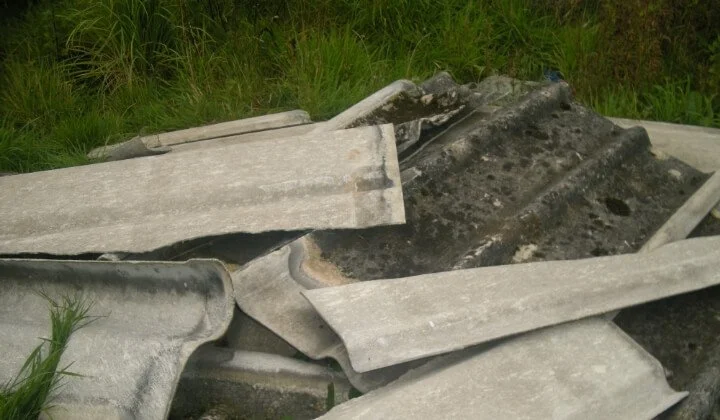
We assess asbestos-contaminated soils and specify proportionate management, remediation and verification measures.
Why do you need a remediation options appraisal?
An Options Appraisal (LCRM Stage 2) compares feasible remediation methods and evaluates them for effectiveness, proportionality, sustainability, and practicality. Its purpose is to identify the most suitable remediation approach for making the site safe and fit for its intended use.
How is remediation managed, and what is a remediation strategy?
Northpoint coordinates options appraisal, remediation strategy, implementation and verification within the LCRM framework. The strategy sets out the chosen measures, objectives, responsibilities, programme and verification requirements.
A remediation method statement describes the practical sequence and controls for carrying out the works and may form part of that documentation.
What is the difference between remediation, verification and validation?
Remediation is the process of removing, treating or managing contamination, designed and managed through the Remediation Strategy.
Verification, often called validation, checks the completed measures and evidence against the agreed remediation criteria through inspections, sampling and testing. The findings are recorded in a Verification Report, also referred to as a Validation Report.
Are remediation and verification called Phase 3 and Phase 4?
Remediation options appraisal and strategy are often described as Phase 3, while verification or validation reporting is often called Phase 4. These are common industry labels.
LCRM uses its own three-stage framework. Its Stage 3 includes strategy development, remediation implementation, verification and any required long-term monitoring or maintenance.
When should I appoint a verification consultant?
Appoint your verification consultant before remedial works begin. The verification plan sets out what must be inspected, sampled, tested and recorded, when those checks are needed and the criteria used to assess completion. Early involvement allows evidence to be collected before excavations are backfilled or protective measures are covered.
Can soil be reused, and do I need a Materials Management Plan?
Reuse depends on the soil’s chemical and geotechnical suitability, the intended use and the applicable regulatory route. We can prepare a Materials Management Plan (MMP) where appropriate, supported by risk assessment and material tracking.
Where CL:AIRE’s Definition of Waste Code of Practice is used, its documentation and Qualified Person declaration requirements must be met.
Do you verify clean cover systems, gas membranes and vapour protection?
Yes. Northpoint can verify clean cover systems, ground gas membranes, ventilation and vapour protection measures against the agreed design. The scope may include inspections, thickness/depth measurements, soil testing, membrane integrity testing and photographic installation records, as appropriate.
Checks are scheduled before the relevant works are concealed, with defects and corrective actions recorded.
How long do a remediation strategy and Verification Report take?
Timescales depend on site complexity, but a Remediation Strategy typically takes 1–2 weeks to prepare once data is available.
Verification is carried out throughout the works, with final reporting following completion and review of the necessary inspection, testing and monitoring evidence. Longer-term monitoring or phased development can extend the reporting programme.
How much does remediation cost?
Costs vary based on site size and contamination levels. A detailed cost plan can be provided as part of the Options Appraisal to advise on the most cost-effective remediation approach.
The required treatment, material volumes, access, disposal or reuse routes and verification scope also influence cost.
Can you manage both investigation and remediation?
Yes. Northpoint provides an integrated service from Phase 1 Desk Study and Phase 2 Ground Investigation through remediation strategy, site supervision and verification, with direct regulator liaison.
We can also review reports or strategies prepared by other consultants, checking their evidence, scope, age and relevance to the current proposals. Suitable information can be used, with any reliance requirements, gaps or outstanding verification needs identified.
What happens if unexpected contamination is found during works?
Tell your project team and environmental consultant promptly. The affected area should be assessed before works proceed in a way that could spread contamination or conceal evidence. Northpoint can review the findings, arrange further investigation where needed and update the strategy and verification requirements, with regulator liaison where appropriate.
What information do you need to prepare a quotation?
Please send the site address and boundary plan, development proposals, relevant planning conditions and any existing desk study, investigation, risk assessment or remediation reports. Construction drawings, contractor details, available verification records and your required programme help us define a suitable scope. We confirm any additional information needed.